
In the rapidly evolving landscape of professional networking, traditional recruitment channels like job boards and LinkedIn algorithms are no longer sufficient for securing high-value opportunities. While digital platforms offer visibility, they lack the depth of trust and context found in established communities. One often overlooked yet powerful engine for career growth is the alumni association. These organizations serve as more than just nostalgic gathering spots; they function as curated networks of mentors, recruiters, and industry insiders who share a common educational history. For professionals at any stage of their journey, understanding how to leverage these associations can be the difference between stagnation and accelerated advancement.
The primary value proposition of an alumni association lies in its built-in trust framework. Unlike cold outreach on social media, where rejection rates are high, alumni connections come with a pre-existing layer of validation based on shared academic experiences. When you reach out to a fellow graduate, the barrier to entry is significantly lower because both parties understand the rigor and standards of your institution. This shared background facilitates faster relationship building, allowing you to move quickly from acquaintance to professional peer or mentor.
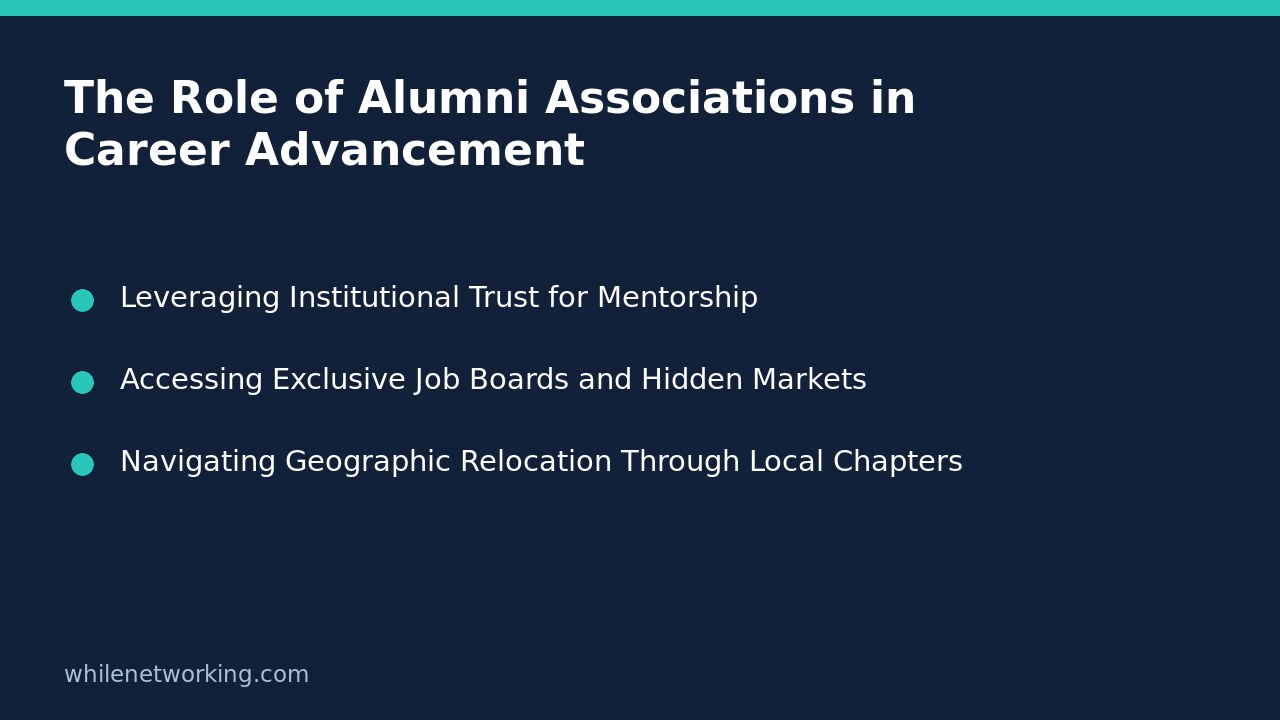
Leveraging Institutional Trust for Mentorship
Mentorship is a cornerstone of career advancement, yet finding a willing mentor can be challenging. Alumni associations solve this problem by providing access to individuals who have already navigated the specific challenges relevant to your field. Because these mentors understand the nuances of your industry through their own educational journey, they can offer advice that is both practical and historically grounded.
To effectively utilize this resource, you must approach mentorship with clear intent. Instead of asking for generic career advice, identify alumni who have achieved the specific milestones you aspire to. For example, if you are a recent graduate in computer science looking to enter cybersecurity, seek out alumni currently working as security architects or CISOs within that network.
Practical Step: Before contacting an alumnus, review their LinkedIn profile and the association’s directory. Prepare a brief, personalized message that references your shared alma mater and a specific achievement of theirs you admire. This demonstrates genuine interest rather than generic networking spam. Common mistakes include asking for “a job” immediately; instead, request a 15-minute virtual coffee to discuss industry trends.
Accessing Exclusive Job Boards and Hidden Markets
Public job boards are saturated with competition, often leading to applications being ignored in favor of candidates referred by employees. Alumni associations frequently maintain exclusive job boards or partnerships with employers who prioritize hiring from their network. These “hidden markets” offer roles that may not be advertised publicly or require a referral code to apply.
Many universities have dedicated career services teams that work directly with alumni chapters to facilitate these placements. The mechanism often works as follows: a company partners with the university to fill a specific quota of positions for graduates, and only members of the alumni association can apply through this channel. Even if you are not a recent graduate, many associations allow current students or past graduates to access these resources indefinitely.
Real-World Example: Consider a marketing major who joined their university’s alumni Facebook group. They noticed a recurring thread where local advertising agencies posted “unlisted” internships and entry-level roles specifically for that school’s network. By engaging in those threads and introducing themselves, the student secured an interview within two weeks—a process that would have taken months on Indeed or Glassdoor.
Navigating Geographic Relocation Through Local Chapters
One of the most underutilized features of alumni associations is their geographic reach. If you are considering a career move to a new city, your alma mater likely has a local chapter there. These chapters act as a support system for professionals relocating, offering housing tips, social integration opportunities, and introductions to local hiring managers.
Relocating without a network can be daunting, but an alumni group provides an instant community. They often organize “meet-and-greet” events where members introduce themselves to newcomers. This is particularly valuable in fields like healthcare or engineering, where licensing requirements might restrict mobility; knowing other professionals in the field in a new location helps you understand the local regulatory environment and potential employer expectations.
Common Mistake: Many professionals ignore local chapters because they assume the association only serves recent graduates. However, most institutions welcome all former students regardless of graduation year. You do not need to be enrolled in a current program to access these geographic resources.
Strategic Engagement During Alumni Events
Attending alumni events is passive networking if you simply show up and listen. To turn an event into a career advancement opportunity, you must engage strategically. Look for “speed networking” sessions, panel discussions where you can ask questions, or casual mixers where small talk is encouraged. The goal is to exchange contact information with intent to follow up.
Follow-up is critical. Within 24 hours of meeting someone at an event, send a personalized message thanking them for their time and referencing a specific topic discussed. This reinforces the connection and keeps you top-of-mind. Over time, these interactions can evolve into long-term collaborations, such as co-authoring articles, starting joint ventures, or forming advisory boards.
Avoiding Pitfalls in Alumni Networking
While the benefits are substantial, there are pitfalls to avoid. The first is treating alumni connections as a transactional database. If you only contact an alumnus when you need a job, you will burn bridges. Networking requires reciprocity; offer value before asking for it. Share relevant articles, make introductions between other members, or volunteer for chapter committees.
Secondly, do not overlook the importance of digital etiquette in alumni groups. Some associations have strict rules against soliciting jobs in public forums. Always check the community guidelines before posting recruitment requests or unsolicited resumes. Respecting these norms protects your professional reputation and ensures you remain welcome in the network.
Conclusion: Building a Lasting Legacy
The role of alumni associations in career advancement extends beyond immediate job placement; it is about building a lasting professional legacy. By actively participating in your alma mater’s community, you contribute to a culture of mutual support that benefits everyone involved. Whether you are seeking mentorship, accessing hidden job markets, or navigating a geographic transition, the alumni network provides a stable foundation upon which to build your career.
To maximize these opportunities, start by registering with your institution’s alumni portal if you haven’t already. Attend at least one local chapter event per year and maintain regular communication with three to five key mentors within the association. Remember that the strength of your network is determined not just by who you know, but by how actively you nurture those relationships. In an era of digital isolation, the tangible connections found in alumni associations remain one of the most reliable assets for professional success.