
For many professionals in the tech and education sectors, the prospect of attending an industry conference or a local meetup is a source of significant dread rather than excitement. The fear of walking into a crowded room, initiating conversations with strangers, or standing up to speak often triggers symptoms of social anxiety, such as rapid heart rate, sweating, and a racing mind. However, these events are critical for career growth, networking, and staying current with technological trends. The good news is that social anxiety in professional settings is manageable and can be overcome with specific strategies, preparation, and mindset shifts. This guide provides actionable steps to help you navigate these environments with confidence, turning potential stressors into opportunities for connection.
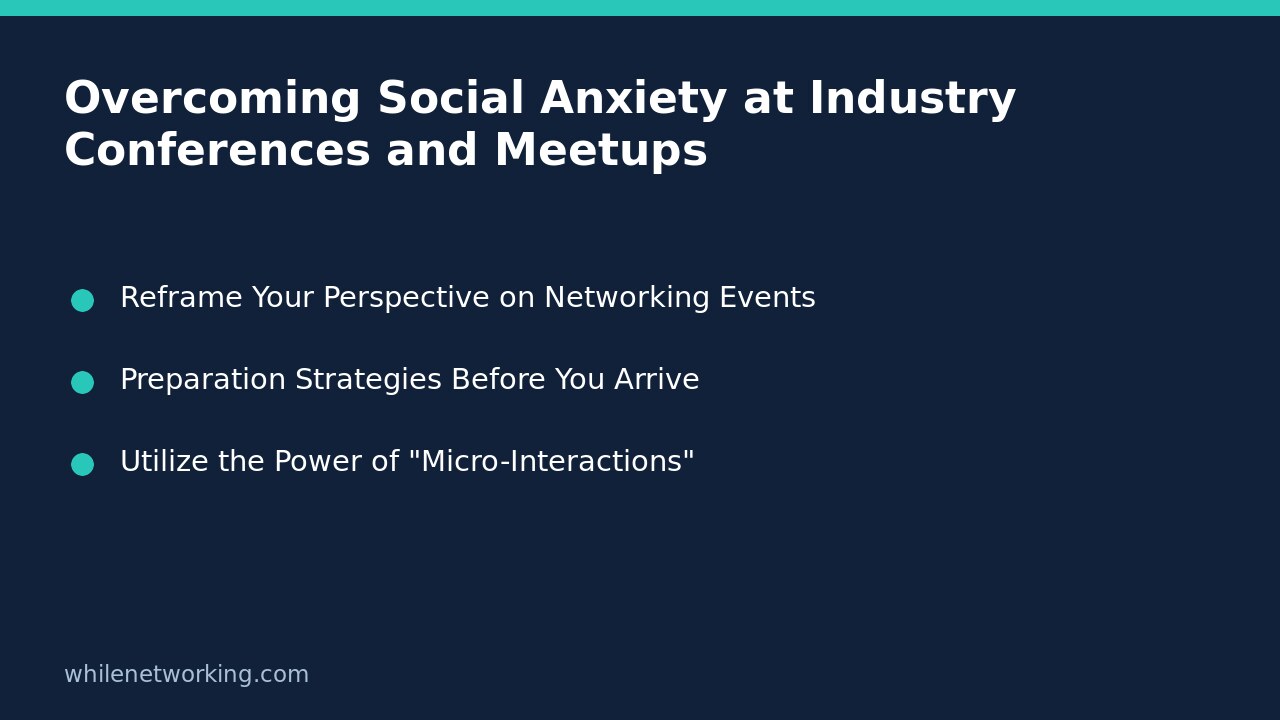
Reframe Your Perspective on Networking Events
The first step in managing social anxiety is changing how you view the event itself. Many anxious individuals perceive networking as a high-stakes performance where they must be the center of attention or instantly impress everyone. In reality, most attendees are there for the same reason: to learn and connect. People at these events are often just as nervous as you are; many are silently hoping someone will strike up a conversation.
Adopting a “service mindset” can significantly reduce pressure. Instead of thinking, “How do I impress this person?”, focus on how you can help them. Ask questions like, “What are you working on lately?” or “Which session were you most excited about?” When your goal shifts from self-presentation to genuine curiosity about others, the spotlight feels less intense. Remember that industry peers generally appreciate someone who is approachable and interested in their work, not someone who tries too hard to be perfect.
Preparation Strategies Before You Arrive
Preparation is one of the most effective tools for reducing anxiety before an event begins. Uncertainty fuels fear, so having a plan provides a sense of control. Start by researching the agenda and identifying two or three sessions that genuinely interest you. Knowing exactly where you will be during those times gives you a built-in reason to stay in one area of the venue rather than feeling lost in a sea of strangers.
Prepare a few open-ended questions in advance. Having a mental list like “What challenges are you facing with your current stack?” or “How did you get started in this field?” ensures that if your mind goes blank during a conversation, you have a fallback option. Additionally, practice a short self-introduction out loud at home. Rehearsing your name, role, and what you do makes the actual moment of introduction feel much more familiar and less daunting.
Consider wearing an outfit that makes you feel comfortable and confident. While it might seem trivial, feeling physically restricted or uncomfortable can heighten anxiety levels. Dress in something professional yet relaxed so you can focus on the event rather than adjusting your clothing throughout the day.
Utilize the Power of “Micro-Interactions”
You do not need to network with everyone at an event to feel successful. In fact, trying to befriend the entire room is a common mistake that leads to burnout and increased anxiety. Instead, focus on micro-interactions. These are brief exchanges that require minimal social energy but still build rapport.
Start by saying hello to people in line for food or coffee. Comment on the venue setup or ask someone where they are sitting. These low-stakes interactions serve as “social warm-ups” that get your brain used to engaging with strangers. If you feel overwhelmed, set a small goal for yourself, such as speaking to one new person per hour. Once you achieve that goal, give yourself permission to step back and recharge. This prevents the feeling of being constantly drained and helps maintain a sustainable level of engagement throughout the day.
Leverage Technology and Hybrid Options
In the modern tech landscape, you are not alone if you prefer digital interaction. Many conferences and meetups now offer hybrid formats or dedicated Slack channels, Discord servers, and LinkedIn groups for attendees before and after the event. Utilizing these tools can be an excellent bridge for those with social anxiety.
You can introduce yourself in a text-based format where there is no immediate pressure of tone or facial expression. Joining a discussion thread about a specific topic allows you to contribute your thoughts without the fear of public speaking. Furthermore, many events have “speed networking” sessions designed specifically for quick, structured conversations, which can feel less intimidating than open-floor mingling. If you are attending virtually, use the chat function to ask questions; seeing your text appear on screen can be a safer way to participate before trying voice channels or video calls.
Managing Symptoms in Real-Time
Even with preparation, physical symptoms of anxiety may arise during the event. It is important to have coping mechanisms ready. Deep breathing exercises are highly effective; try the 4-7-8 technique (inhale for four seconds, hold for seven, exhale for eight) when you feel your heart rate spiking. This activates the parasympathetic nervous system and calms the body’s stress response.
If you feel overwhelmed by noise or crowds, do not force yourself to stay in the thick of it. It is acceptable to step outside for fresh air, visit the restroom, or grab a drink at the bar to reset. Give yourself permission to take breaks without feeling guilty about missing networking opportunities. Remind yourself that taking care of your mental health is part of being a productive professional.
The Role of Follow-Up and Consistency
One of the biggest fears after a conference is forgetting how to follow up or worrying that you made an awkward impression. Address this by setting a timer on your phone for 24 hours after the event to send those introductory messages. You don’t need to write a long letter; a simple LinkedIn connection request with a note about where you met is often sufficient.
Consistency is key to overcoming social anxiety over time. Attending one event and feeling anxious does not mean you are socially inept; it means you are human. The more you expose yourself to these situations in a controlled manner, the less terrifying they become. Treat every meetup as practice rather than a final exam. Over time, you will notice that your tolerance for social interaction increases, and the initial spike of anxiety will diminish with each subsequent event.
Real-World Example: The “One Question” Rule
Consider Sarah, a software developer who struggled to approach strangers at tech conferences. Her strategy was simple: she committed to asking only one question to one person per day at an event. On her first try, she approached a speaker after their panel and asked, “What was the most surprising takeaway for you?” The conversation lasted ten minutes. She exchanged cards and connected on LinkedIn. By lowering the bar to just one interaction, she removed the pressure to be charismatic or entertaining. Within three months of applying this rule consistently, Sarah found herself initiating conversations naturally without feeling overwhelmed, proving that small, manageable steps lead to significant long-term changes in confidence.
Conclusion
Overcoming social anxiety at industry conferences and meetups is not about eliminating fear entirely but learning to function effectively despite it. By reframing your perspective, preparing thoroughly, utilizing micro-interactions, leveraging technology, managing real-time symptoms, and committing to consistent follow-up, you can transform these events from sources of dread into platforms for professional growth. Remember that your worth as a professional is not defined by how many business cards you collect or how loudly you speak. Authentic connection, built on genuine interest and respectful listening, is what truly matters in the tech community. With patience and practice, you will find your own rhythm in these environments and unlock new opportunities for collaboration and learning.