
In the digital landscape of 2025, building a professional network is no longer just about collecting business cards or accumulating LinkedIn connections. It requires a strategic blend of authentic relationship building, leveraging emerging AI tools responsibly, and maintaining a consistent digital footprint. The old model of “networking” as transactional self-promotion has largely faded; today’s successful professionals prioritize value exchange, community contribution, and long-term trust. Whether you are a recent graduate, a career changer, or an established professional starting over, the principles for constructing a robust network remain grounded in genuine connection, even as the platforms evolve.
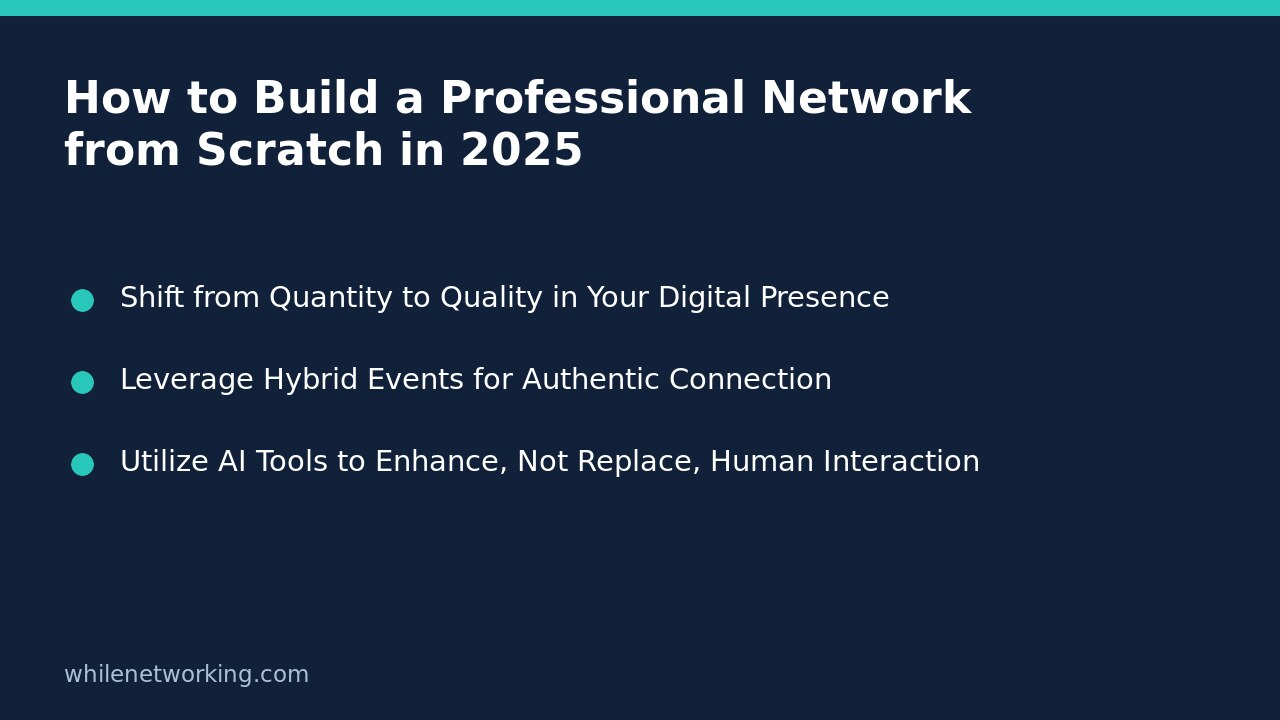
Shift from Quantity to Quality in Your Digital Presence
The most common mistake beginners make is focusing on the number of connections rather than the depth of relationships. In 2025, algorithms on major professional platforms like LinkedIn have shifted to prioritize meaningful engagement over vanity metrics. A profile with 5,000 passive followers often yields less career mobility than one with 500 active contacts who can provide referrals or introductions.
To build from scratch, start by auditing your digital identity. Ensure your headline clearly states what value you offer, not just what job title you hold. Instead of “Sales Manager,” consider “Helping SaaS companies reduce churn through data-driven retention strategies.” This specificity attracts the right audience. Furthermore, treat your profile as a living document. Regularly update it to reflect new skills, projects, or certifications. When networking digitally, the goal is to become a recognizable node in a web of trust, not just another name on a list.
Leverage Hybrid Events for Authentic Connection
While virtual interactions are convenient, they often lack the nuance required for deep professional bonding. The hybrid event model has become standard, offering the best of both worlds: global reach with local intimacy. In 2025, successful networking strategies involve attending industry-specific webinars, virtual summits, and in-person meetups that align with your niche.
When attending these events, whether physical or digital, avoid the trap of immediately pitching your services. Instead, adopt a “listener-first” approach. Ask open-ended questions about the other person’s challenges and interests. For example, if you are at a tech conference, ask a speaker how they navigated a specific regulatory change in their sector rather than asking for a job. These conversations often lead to organic collaborations. If you meet someone interesting virtually, request a brief video call or a coffee chat to move the conversation from text-based platforms to more personal mediums. This transition is crucial for converting a “connection” into a true professional contact.
Utilize AI Tools to Enhance, Not Replace, Human Interaction
Artificial Intelligence has transformed how we manage relationships, but it should serve as an assistant, not a substitute for human interaction. In 2025, tools exist that can help you identify potential mentors, suggest conversation starters based on mutual interests, or even draft personalized outreach messages. However, the final step of sending the message or attending the meeting must always be done by a human.
Consider using AI to analyze your industry trends and suggest topics relevant to your network’s interests. If you notice a surge in interest around sustainable energy policies in your sector, use that insight to start conversations with contacts who are already active in that field. The key is authenticity; if an AI-generated message feels too robotic or generic, it will likely be ignored. Use technology to do the heavy lifting of research and scheduling, but let your personality drive the actual relationship building.
Engage in Community Building and Content Sharing
One of the most effective ways to build a network from scratch is to become a contributor rather than just a consumer. In 2025, sharing insights, commenting on industry news, or writing short posts about lessons learned demonstrates expertise and invites engagement. When you share content, focus on adding value—perhaps by summarizing a complex article into a digestible thread or offering a unique perspective on a trending topic.
Join niche communities on platforms like Slack, Discord, or specialized forums related to your industry. These spaces often foster tighter-knit groups than general social media feeds. Participate in discussions, answer questions when you can, and celebrate the successes of others. This reciprocal behavior builds goodwill. Over time, people will remember you as a helpful community member, making them more likely to reach out when opportunities arise. Consistency is key here; sporadic engagement rarely yields results compared to steady, thoughtful participation.
Navigate Cultural Nuances in a Globalized Workspace
As remote work becomes permanent for many industries, your professional network may span multiple time zones and cultures. In 2025, understanding cultural nuances is essential for effective global networking. Communication styles, expectations regarding hierarchy, and even the timing of messages vary significantly across regions. For instance, direct communication might be valued in some Western markets but considered rude in others that prefer a more indirect approach.
Be mindful of time zone differences when scheduling calls or sending emails. A message sent late at night in one region might look like spam if it arrives early morning in another. Additionally, respect local holidays and business etiquette. When reaching out to international contacts, take the extra step to research their cultural background before initiating a conversation. This level of attentiveness signals respect and professionalism, accelerating trust-building processes that might otherwise take months.
Practical Checklist: Your First 30 Days of Networking
If you are starting from zero, follow this actionable checklist to kickstart your journey:
- Audit and Optimize Profiles: Update your LinkedIn, personal website, or portfolio within the first week. Ensure photos are professional and bios are keyword-rich yet human.
- Identify Target Niche: Define your specific area of interest. Are you targeting fintech startups, healthcare administration, or renewable energy? Narrowing your focus prevents scattered efforts.
- Join Three Communities: Sign up for one newsletter, one Slack/Discord group, and attend one upcoming webinar or meetup relevant to your niche.
- Execute the “Warm Outreach” Strategy: Reach out to three former colleagues, classmates, or acquaintances. Share an update on what you are working on and ask how they are doing. Rekindling old ties is often easier than starting from scratch.
- Create One Piece of Value: Write a short post, record a video summary, or host a small virtual roundtable discussion to showcase your engagement with the community.
- Schedule Follow-Ups: After any new connection, schedule a specific time to reconnect within two weeks. Networking is a marathon, not a sprint; keeping the pipeline warm requires consistent effort.
Conclusion: Patience and Authenticity Are Your Assets
Building a professional network from scratch in 2025 is a deliberate process that rewards patience and authenticity. It is not about hacking algorithms or mass-messaging strangers; it is about cultivating genuine relationships where value flows both ways. By focusing on quality over quantity, leveraging technology responsibly, engaging with communities, and respecting global cultural differences, you can construct a resilient network that supports your career growth for years to come. Remember that every significant professional relationship started as a simple conversation between two people willing to listen and share. Start today, stay consistent, and let your genuine interest in others become the foundation of your success.