
The modern data center operates as a high-stakes environment where physical security and infrastructure integrity are directly correlated with business continuity. Traditionally, maintaining these standards relied heavily on manual patrols, periodic audits, and reactive monitoring systems. However, the integration of computer vision technology has shifted this paradigm from reactive to proactive. By leveraging advanced image processing algorithms, organizations can now automate critical tasks ranging from unauthorized access detection to complex cable management verification. This article explores how computer vision transforms physical security protocols and streamlines the often chaotic world of data center cabling, offering practical insights into implementation and operational benefits.
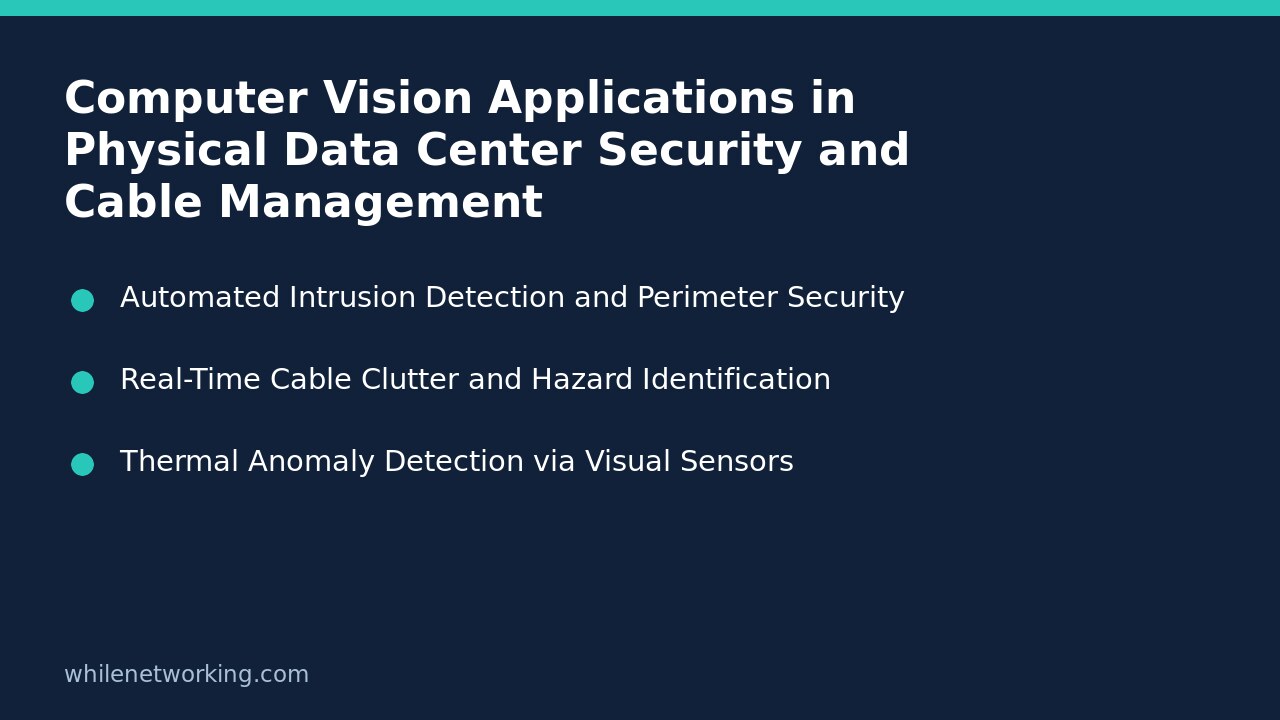
Automated Intrusion Detection and Perimeter Security
One of the most immediate applications of computer vision in data centers is the enhancement of perimeter and internal security. Unlike traditional motion sensors that trigger alarms on any movement, computer vision systems analyze video feeds to distinguish between authorized personnel, equipment on wheels, and potential intruders. These systems utilize deep learning models trained to recognize specific human postures, badge visibility, and behavioral patterns associated with threats.
In a practical scenario, a computer vision algorithm can monitor the server room entrance in real-time. If an individual without a visible access badge attempts to enter, or if a person is detected loitering near sensitive racks outside of scheduled maintenance windows, the system instantly flags the event. Furthermore, these systems can detect “tailgating,” where an unauthorized person follows an authorized employee through a secure door. The AI analyzes the gap between individuals and cross-references entry logs with visual confirmation, ensuring that every person entering the facility is logged and verified. This capability significantly reduces false positives common in legacy motion-detection systems, which often trigger alerts due to shadows or moving air conditioning units.
Real-Time Cable Clutter and Hazard Identification
Cable management is frequently cited as a leading cause of downtime in data centers. Loose cables can lead to accidental disconnections, while tangled messes obscure airflow, creating hot spots that damage hardware. Computer vision offers a novel solution by continuously analyzing images of cable trays and rack fronts to assess clutter levels and identify hazards.
Advanced imaging systems can be mounted on robotic inspection vehicles or fixed ceiling-mounted cameras equipped with high-resolution lenses. These systems process video streams to detect loose cables hanging from overhead trays, which pose tripping hazards for technicians and can interfere with cooling airflow. The AI can also identify cables that are improperly routed or lacking proper tie-downs, issues that might be missed during a monthly physical audit but could cause failure within weeks. By quantifying cable density and identifying specific violations against established standards (such as TIA-942), facility managers receive immediate alerts when clutter exceeds safe thresholds. This allows for targeted cleaning crews to address only the problematic areas rather than conducting costly, full-scale re-cabling projects.
Thermal Anomaly Detection via Visual Sensors
While thermal cameras are often associated with infrared imaging, modern computer vision systems integrate visual and thermal data streams to provide a comprehensive view of server health. These hybrid sensors can detect anomalies that appear visually before they manifest as critical failures. For instance, a failing power supply unit or a degrading capacitor may exhibit discoloration, smoke, or unusual heat patterns visible to high-sensitivity cameras.
The software layers image processing over thermal data to correlate visual cues with temperature spikes. If a specific rack section shows localized heating combined with visual signs of component stress, the system can predict a potential failure before it occurs. This predictive maintenance approach minimizes unplanned outages. Technicians can then proactively replace components during scheduled windows, ensuring maximum uptime. The ability to visually confirm the source of overheating also aids in diagnosing airflow blockage caused by poor cable management, creating a feedback loop between physical infrastructure health and visual monitoring systems.
Implementation Challenges and Data Privacy Considerations
Deploying computer vision in a data center environment requires careful planning regarding hardware compatibility, latency, and data privacy. High-performance GPUs are needed to process video feeds in real-time without introducing lag that could delay security responses. Additionally, the sheer volume of video data generated must be managed efficiently; edge computing solutions are often preferred to process data locally, sending only alerts or summarized findings to a central cloud dashboard rather than streaming raw footage continuously.
Privacy is another critical consideration, particularly when cameras cover areas where employees might be working. Organizations must ensure that facial recognition features are either disabled or strictly regulated to comply with local labor laws and privacy regulations. Data retention policies must be clearly defined: should video footage be kept for 24 hours, 30 days, or indefinitely? Implementing “privacy blurring” algorithms that automatically obscure faces of non-authorized individuals in public areas while maintaining clear visibility of security breaches is a best practice. Furthermore, the infrastructure must account for different operating systems and camera protocols, ensuring compatibility across legacy equipment and modern AI-driven analytics platforms.
Strategic Benefits for Facility Management
The adoption of computer vision delivers tangible returns on investment through reduced operational costs and enhanced reliability. By automating the detection of security breaches and cable hazards, facility managers can reduce the frequency of manual patrols. A single technician can oversee multiple sites using a centralized dashboard that highlights only critical issues requiring attention. This shift allows skilled engineers to focus on complex architectural challenges rather than routine monitoring tasks.
Moreover, the data collected by these systems creates a historical record of infrastructure degradation over time. Trends in cable clutter accumulation or security breach attempts can be analyzed to refine access control policies and maintenance schedules. For example, if specific zones consistently show rapid cable degradation due to poor routing practices, management can mandate stricter installation protocols for that area. Over time, this leads to a culture of continuous improvement where physical infrastructure standards are raised based on empirical data rather than guesswork.
Conclusion: The Future of Physical Infrastructure Monitoring
Computer vision represents a significant evolution in how data centers manage their physical assets. By integrating these technologies into security and cable management workflows, organizations can achieve a level of situational awareness that was previously impossible without human intervention. From detecting unauthorized access with high precision to identifying subtle cable hazards that threaten airflow, AI-driven visual systems provide a robust layer of defense for critical infrastructure. As hardware becomes more affordable and algorithms more sophisticated, the barrier to entry for these solutions continues to lower, making them an essential component of next-generation data center design. Facility leaders looking to future-proof their operations should prioritize pilot programs that test computer vision capabilities in non-critical areas before scaling deployment across the entire campus.